When people ask me about vegan nutrition, iron comes up almost as often as protein. It's a fair question — iron from plants (called non-heme iron) is absorbed differently than iron from meat, so it helps to know which foods actually carry a meaningful amount and how to pair them so your body gets more out of each bite.
Which Plant Foods Actually Have Iron
Lentils, chickpeas, and white beans are some of the most reliable sources. According to the USDA FoodData Central, a cup of cooked lentils has about 6.6 mg of iron, and a cup of cooked chickpeas has around 4.7 mg. Tofu is another solid option — about 3.4 mg per half cup, depending on how it's set. Pumpkin seeds, cashews, and dark leafy greens like spinach also contribute, though spinach's iron is less bioavailable raw than cooked.
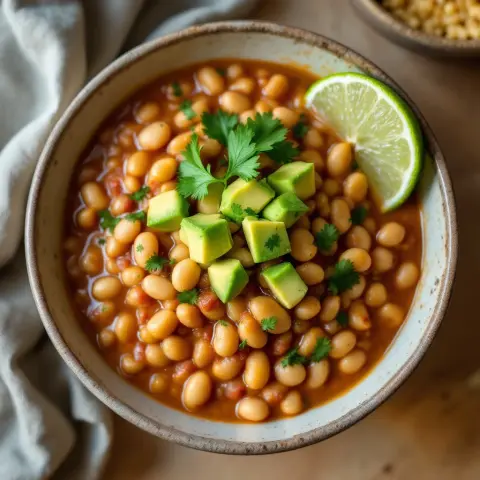
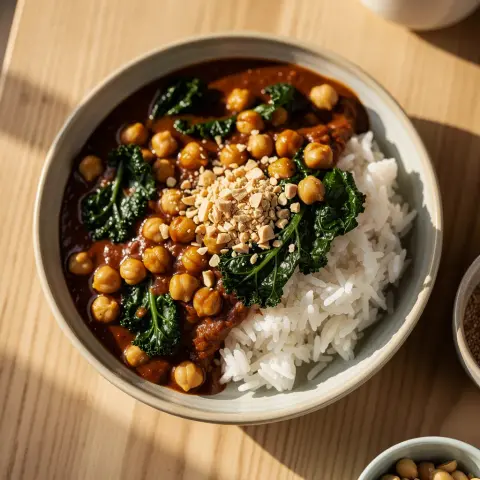
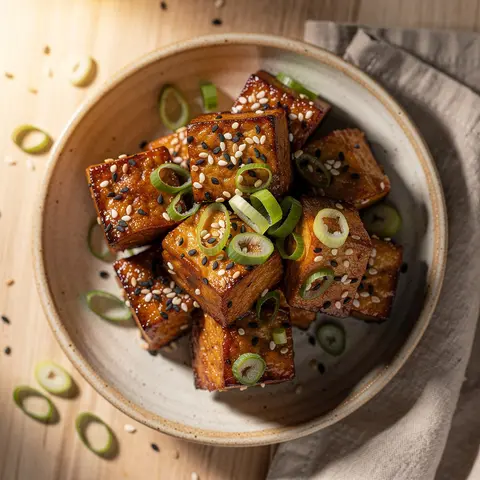
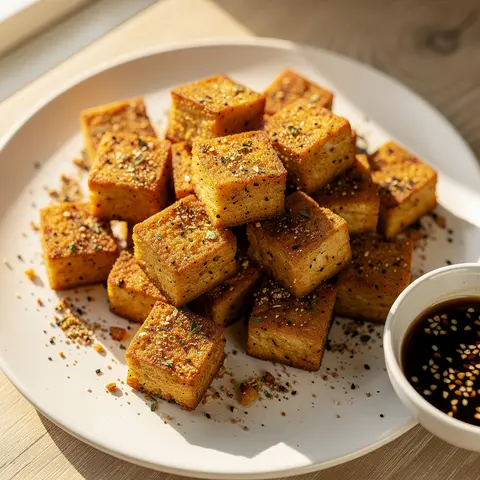
If you want a meal built around this kind of base, the 30-Minute White Bean Chili is an easy weeknight way to get beans into rotation, and the African Tomato Peanut Stew with Chickpeas combines chickpeas with peanuts for another iron-containing combination. Tofu dishes like Air Fryer Tofu or Air Fried Miso Sesame Tofu are good options too if you're trying to build a few iron-containing meals into your week without overhauling everything.
Why Absorption Matters More Than You'd Think
Here's the part people miss: the amount of iron listed on a nutrition label isn't necessarily the amount your body absorbs. Non-heme iron, the kind found in plants, is absorbed at a lower rate than heme iron from animal sources. The NHS notes that non-heme iron absorption can be improved significantly by eating it alongside vitamin C. This is the single most useful thing to know if you're paying attention to plant-based iron — the pairing matters as much as the food itself.
The Vitamin C Pairing Trick
The idea is simple: eat an iron-containing food next to something with vitamin C, in the same meal. Tomatoes, citrus, bell peppers, broccoli, and strawberries all work. A few easy examples:
- Lentil or chickpea dishes cooked with tomatoes (like that peanut stew above) already do this naturally.
- Add bell pepper strips or a squeeze of lemon to a tofu stir-fry.
- Pair a bean-based lunch with a side salad that includes citrus segments or chopped peppers.
You don't need to measure anything exactly — just get in the habit of putting these foods on the same plate. If you're looking for lunches built this way, the Vegan Lunch Ideas collection has a mix of bean, tofu, and vegetable-forward meals that make this pairing easy without extra thinking.
What About Protein-Heavy Iron Sources
A lot of iron-rich plant foods — lentils, chickpeas, tofu, pumpkin seeds — also happen to carry a decent amount of protein, so building meals around them tends to cover both at once. If you're trying to be more deliberate about this, the High-Protein Vegan Meals collection groups meals where protein (and often iron-containing ingredients) are already front and center, so you're not cross-referencing two different lists every time you plan dinner.
A Realistic Way to Build This Into Your Week
You don't need to track iron daily or treat every meal like a chemistry problem. A practical approach is picking two or three iron-containing meals a week — beans, lentils, tofu — and making sure at least one vitamin C food shows up alongside each. If you're short on time, something like the 30-Minute White Bean Chili already has tomatoes built in, so the pairing is automatic. For a quicker dinner on a busy night, the 30-Minute Vegan Dinners collection has a handful of options that fit this same pattern without much planning.
If you want more specifics on your own iron needs, the Academy of Nutrition and Dietetics has guidance broken down by age and life stage, since needs vary more than people expect. I'm not able to give personalized advice here, but that's a good place to start if you want numbers specific to you.
This isn't about perfection — it's about building a few habits that make the iron you're already eating more useful. Once you know the pairing trick, it mostly takes care of itself.