When I went vegan, calcium was one of the first things people asked me about, usually right after protein. "But where do you get your calcium?" I get it — dairy has been positioned as the calcium food for so long that it's easy to forget there are plenty of other places to find it. Here's where I actually get mine, with real numbers behind each one.
Fortified Plant Milks
This is the easiest swap and probably where most vegans get the bulk of their calcium. Many soy, oat, and almond milks are fortified to match or exceed dairy milk's calcium content. According to the British Dietetic Association, calcium-fortified plant milks and plant yogurts are one of the main recommended sources for vegans, and it's worth checking the label since fortification levels vary by brand. I keep a carton in the fridge for smoothies, cereal, and pouring over 1-Bowl Banana Chocolate Pecan Muffins in the morning — it's an easy habit once the right milk is just sitting there.
Calcium-Set Tofu
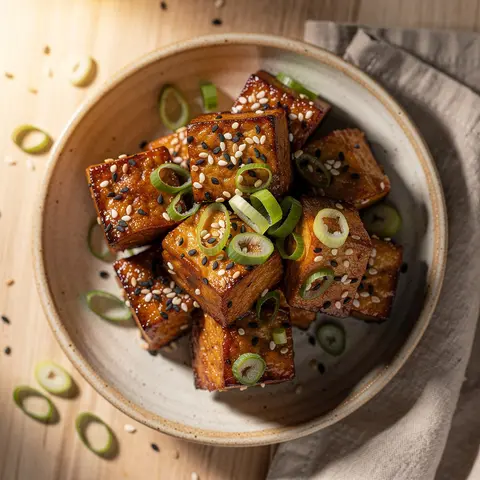
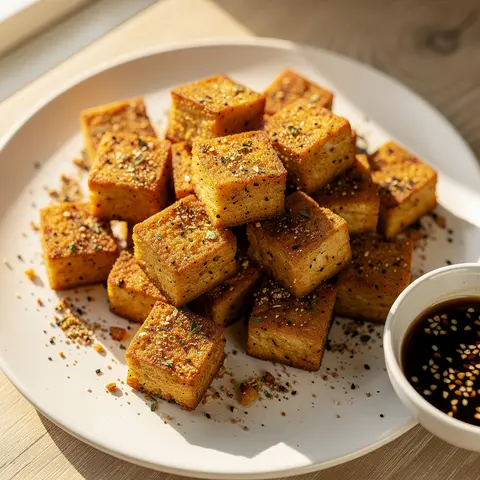
This one surprises people. Tofu itself doesn't have much calcium, but if it's set with calcium sulfate (check the ingredients list — it'll say "calcium sulfate" or "calcium chloride"), it can be a genuinely good source. The USDA FoodData Central lists calcium-set tofu as providing a meaningful amount of calcium per serving, though exact numbers vary by brand and firmness, so it's worth a quick label check next time you're shopping. I use it constantly — Air Fryer Tofu and Air Fried Miso Sesame Tofu are both in regular rotation at my place, and they're a good place to start if tofu still feels unfamiliar. If you're building out a week of meals around tofu, beans, and other protein-dense plant foods, the High-Protein Vegan Meals collection is a good jumping-off point, since a lot of those same ingredients double up on calcium too.
Leafy Greens (With a Caveat)
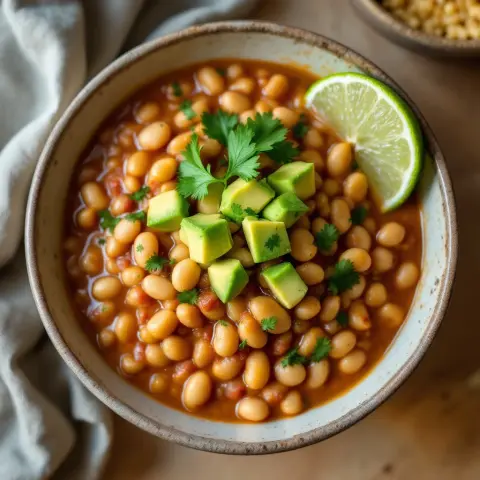
Kale, bok choy, and collard greens all contain calcium, and the body absorbs it reasonably well from them. But spinach and chard are trickier — they're high in oxalates, which bind to calcium and reduce how much your body can actually absorb, according to the Academy of Nutrition and Dietetics. So if you're leaning on greens for calcium, kale and bok choy are doing more work for you than spinach is. I like tossing shredded kale into a quick stir-fry or soup — something like the 30-Minute White Bean Chili is an easy place to stir in a handful of greens at the end without changing the dish much.
Tahini and Sesame Seeds
Sesame seeds, and tahini by extension, are one of the more underrated calcium sources in a plant-based kitchen. It's not a food most people think of first, but it shows up in a lot of dishes already — salad dressings, sauces, dips. I'll often swap tahini into a sauce where I'd otherwise use something creamier, just because it adds body and a little extra calcium along the way. It's a small thing, but these small swaps add up over a week of meals.
Beans, Lentils, and Fortified Foods
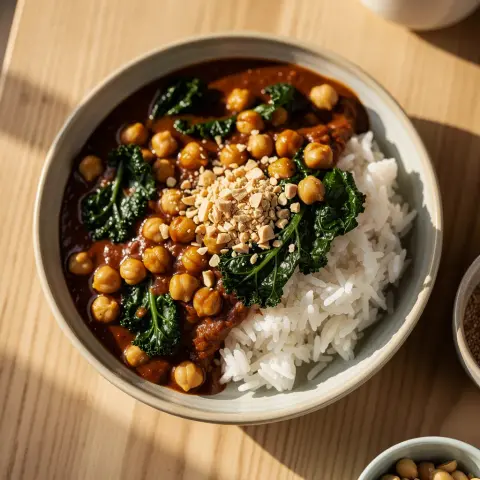
White beans and some lentils contribute calcium too, in smaller amounts, but they add up when you're eating them regularly. Combined with fortified orange juice or fortified cereals, a day of varied plant meals can get you a reasonable spread of calcium sources without any single food having to carry the whole load. According to the NHS, adults need about 700 mg of calcium a day, and a combination of fortified foods, leafy greens, tofu, and sesame can realistically get most people there without dairy. If you want a fast dinner that leans on beans, African Tomato Peanut Stew with Chickpeas is a good one to try — it's hearty, quick, and fits nicely into a 30-Minute Vegan Dinners kind of week.
The Honest Takeaway
None of this requires overhauling how you eat. It's really about knowing which everyday foods are already doing the work — fortified milk in your coffee, calcium-set tofu in your stir-fry, a spoon of tahini in your dressing — and making sure a few of them show up regularly, whether you're eating fully plant-based or just working in a few meatless dinners a week. There's no ranking system here; a partial week counts just as much as a full one.
If you want help building a week of meals that naturally covers things like this without a lot of extra thinking, that's exactly what I built Plantiful for. Get Started Free