My freezer used to be a graveyard of mystery bags. Half-used bags of frozen spinach, a container of something I made in 2019, a loaf of bread that had seen better days. It took me years of cooking vegan meals to figure out what's actually worth freezing versus what just takes up space and freezer-burns into sadness.
The short version: freeze things that take time to make, not things that take time to buy. Here's what that looks like in practice.
Cooked grains and beans, always
This is the one that changed my weeknight cooking the most. Cook a big batch of rice, quinoa, or farro once, portion it into containers or freezer bags, and you've got the base for a dozen meals without touching a pot again. Same goes for beans — if you're cooking dried beans (cheaper and lower-sodium than canned), cook the whole bag and freeze what you don't use that week.
This matters more than it sounds like, because grains and legumes are also doing real nutritional work. According to the Academy of Nutrition and Dietetics, beans, lentils, and whole grains are key sources of protein and fiber in vegan diets. Having them pre-cooked means you're far more likely to actually build meals around them instead of defaulting to whatever's fastest.
Sauces and bases freeze better than the finished dish
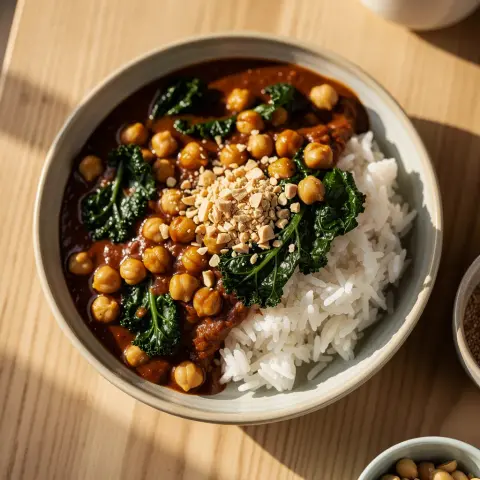
If you're short on freezer space, prioritize sauces over fully assembled meals. A batch of peanut sauce, marinara, or a tomato-based stew base takes up less room, reheats faster, and stays more flexible — you can pour it over rice, noodles, or roasted vegetables depending on what you're in the mood for that night. The African Tomato Peanut Stew with Chickpeas is a good example of something that freezes beautifully in big batches — make a double portion on a slow afternoon and you've got dinner covered for weeks.
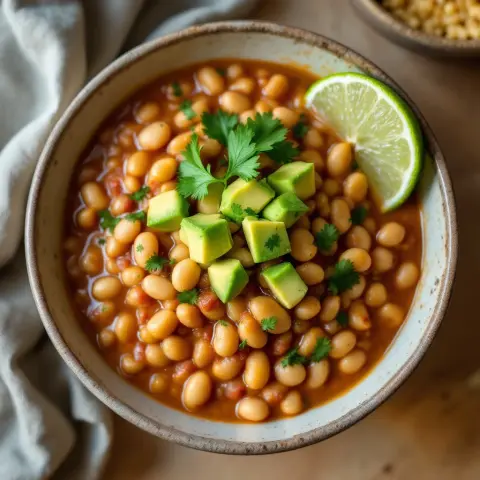
Soups and chilis are the same story. 30-Minute White Bean Chili is already quick to make fresh, but it's also one of those meals that tastes just as good — some people say better — after a freeze and reheat, since the flavors have more time to settle.
Chopped vegetables, with one caveat
Onions, bell peppers, and ginger freeze well raw and chopped — toss them straight into a pan from frozen for stir-fries or stews. Herbs like cilantro and basil do better frozen into oil in an ice cube tray than loose in a bag.
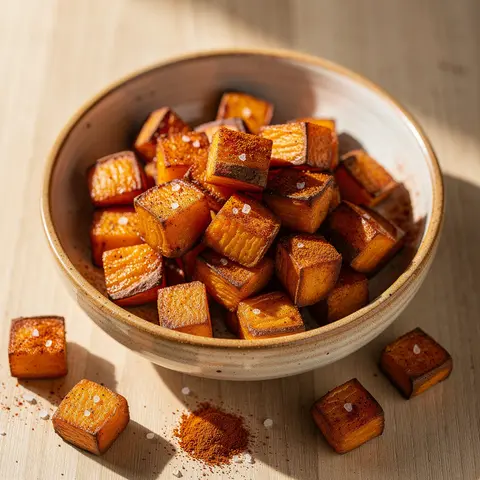
The caveat: anything watery and meant to be eaten raw or crisp — cucumber, lettuce, raw zucchini — doesn't come back from the freezer well. Texture turns mushy. Save the freezer for vegetables that are going to get cooked anyway. Sweet potatoes are a great example of something that holds up — if you've already made a batch of Air Fryer Sweet Potatoes, the leftovers freeze fine and crisp back up reasonably well in a hot oven or air fryer.
Protein, pre-cooked and portioned
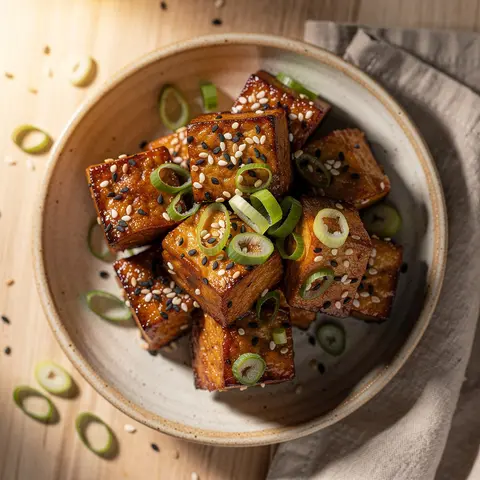
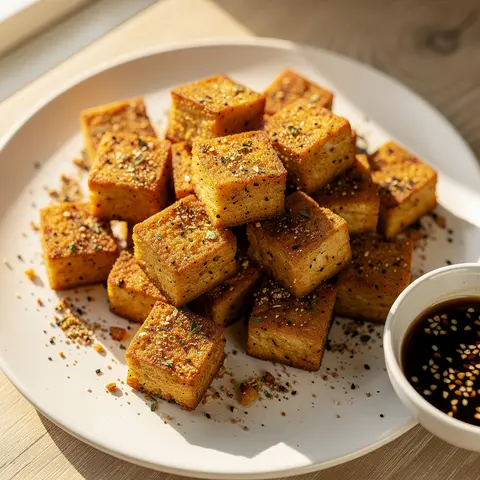
Tofu freezes surprisingly well, and freezing actually changes its texture — it gets chewier and more porous, which means it soaks up marinades and sauces better after thawing. If you've got extra from a batch of Air Fried Miso Sesame Tofu or Air Fryer Tofu, portion it before freezing so you can pull out exactly what you need.
This is also where batch-cooking pays off if protein intake is something you're tracking. The British Dietetic Association notes that well-planned vegan diets can meet protein needs across all life stages, and having pre-cooked tofu, beans, or lentils on hand makes it much easier to hit a protein-forward meal on a weeknight without extra prep. If that's a priority for you, it's worth browsing the High-Protein Vegan Meals collection for ideas that batch and freeze well.
What to skip
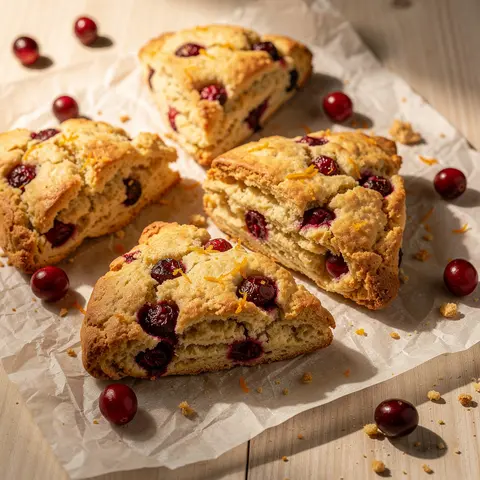
A few things aren't worth the freezer space: anything fried that depends on crispness (it won't survive thawing), dairy-free yogurt and cream-based sauces (they tend to separate), and whole baked goods with delicate textures like scones — though batter for things like 1-Bowl Cranberry Orange Scones often freezes better than the baked product itself, ready to bake fresh when you want it.
Building a rotation, not a backlog
The real goal isn't to fill your freezer — it's to make sure what's in there actually gets used. I'd rather have five clearly labeled containers I'll reach for on a Tuesday than twenty mystery bags. If you're building out a freezer rotation, it helps to start from meals you already cook often; the 30-Minute Vegan Dinners collection is a solid place to pull batch-friendly ideas from, since most of those meals are built around pantry staples and grains that freeze well in the first place.
Start small. Pick two or three things from this list, cook a double batch next time you're making them anyway, and portion the extra before you eat. That's really the whole system.