I've been cooking vegan meals for over 10 years, and I've made every mistake on this list, some of them for years. The good news is that almost all of them are small and fixable. When a plant-based meal tastes flat or leaves you hungry an hour later, it's usually one of a handful of things, not a sign that you're bad at this.
Here are the ones I see most often, and what I'd do differently.
Mistake 1: Under-seasoning
This is the big one. Without the habits many of us grew up with, like browning meat or finishing with cheese, vegetables, beans and grains need you to be more deliberate about flavor.
A few things that help:
- Salt in layers. A pinch with the onions, a pinch when the beans go in, and a taste at the end. Seasoning only at the finish tends to taste salty on top and bland underneath.
- Bloom your spices. Toast cumin, paprika or chili powder in the hot oil for 30 seconds or so before adding liquid. The smell tells you when it's ready.
- Add something savory. Tomato paste, miso, soy sauce, nutritional yeast and mushrooms all add depth.
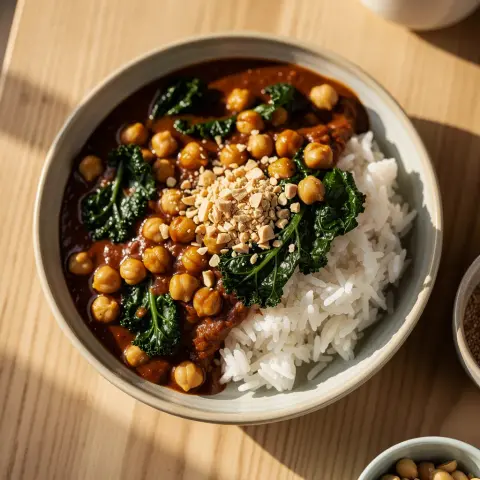
A good meal to practice on is the African Tomato Peanut Stew with Chickpeas. Tomato, peanut and spice all build on each other, so you can taste the difference as each layer goes in.
Mistake 2: Skipping acid
If a dish tastes dull but you've already added enough salt, the missing piece is often acid. A squeeze of lemon or lime, a splash of vinegar, or a spoonful of pickled something at the end brightens everything without making it taste sour.
My habit: before I serve anything with beans, lentils or roasted vegetables, I taste it, add a little lemon juice or vinegar, and taste again. It's usually a bigger change than adding more salt.
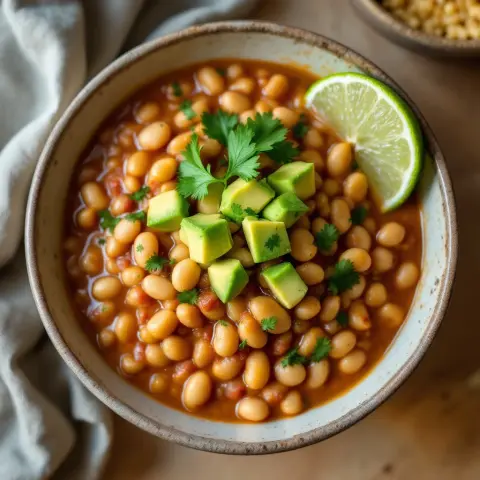
Soups, chilis and stews benefit most, because long simmering mellows flavors. The 30-Minute White Bean Chili is a good one to test this on: taste it right before serving, then add a squeeze of lime and notice what shifts.
Mistake 3: Not pressing (or drying) your tofu
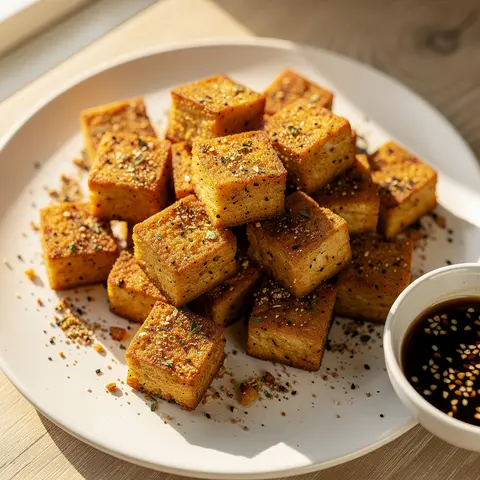
Tofu is packed in water. If you cook it straight from the package, that water steams the tofu instead of letting it brown, and you end up with pale, soft cubes that don't hold on to sauce.
What works for me:
- Drain it and wrap the block in a clean kitchen towel.
- Put something heavy on top, like a cast-iron pan or a few cookbooks, for 15 to 30 minutes.
- Cut it, then pat the pieces dry before they hit the pan or the air fryer.
Extra-firm tofu is the easiest to start with. If you don't have a press, the towel-and-pan method does the job fine.
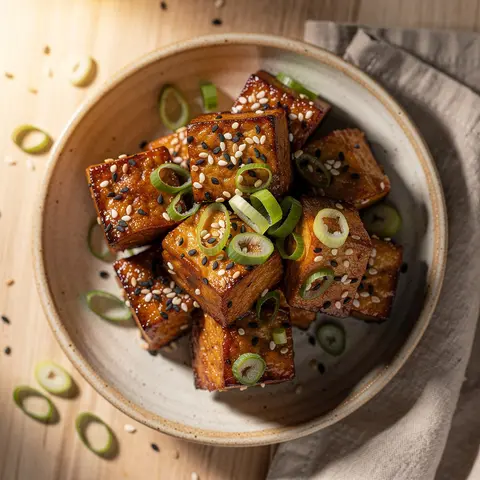
Once your tofu is dry, it browns well. The Air Fryer Tofu is a simple place to see the difference, and the Air Fried Miso Sesame Tofu is a good next step when you want a bit more flavor.
Mistake 4: Relying on one protein
It's easy to fall into a rut of the same few meals built around the same ingredient, whether that's tofu, chickpeas or peanut butter. Variety matters for more than boredom. Different plant proteins bring different nutrients along with them.
The Academy of Nutrition and Dietetics notes that well-planned vegetarian and vegan eating patterns can be appropriate at all stages of life, and the emphasis is on planning and variety. The Harvard T.H. Chan School of Public Health likewise points to a mix of plant protein sources such as beans, nuts, soy and whole grains.
In practice, that means rotating through beans, lentils, tofu, tempeh, nuts, seeds and whole grains across the week instead of searching for one perfect ingredient. If you want ideas, the High-Protein Vegan Meals collection is a handy way to see how many different directions you can go.
Mistake 5: Forgetting texture
A lot of beginner meals are all soft: soft beans, soft rice, soft vegetables. Even a flavorful dish can feel boring that way. Add something crisp or crunchy at the end, such as toasted seeds, chopped nuts, crispy roasted chickpeas, or raw cabbage or herbs.
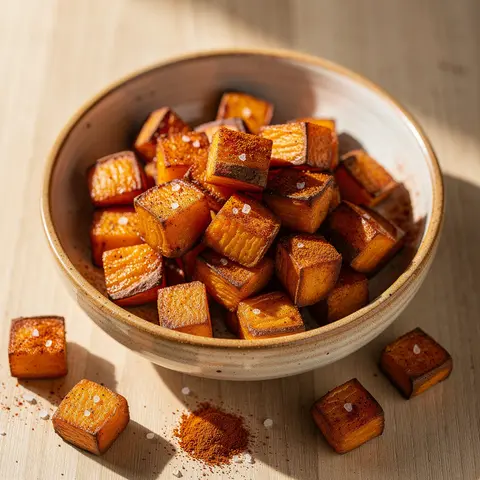
Roasting or air frying vegetables until the edges brown also helps. The Air Fryer Sweet Potatoes are a good example: crisp outside, creamy inside, and almost no effort.
Mistake 6: Making cooking harder than it needs to be
This one isn't about technique. New vegan cooks often try to cook everything from scratch, with a long ingredient list, on a weeknight, and burn out by Thursday. A partial week is a perfectly good week. Maybe it's three meatless dinners and a pot of leftovers.
Pick a few quick meals you can repeat and build from there. The 30-Minute Vegan Dinners collection is where I'd start if you're short on time. And if you cook gluten-free, the Gluten-Free Vegan Dinners collection is there too.
A short checklist to keep
- Did I season in layers and taste at the end?
- Did I add acid before serving?
- Is my tofu dry before it cooks?
- Is this week's protein different from last week's?
- Is there something crunchy on top?
None of this requires special equipment or a long ingredient list. Fix one thing at a time, and you'll notice the difference the next time you cook.