When I first read about Argentine home cooking, what stuck with me wasn't the big dishes. It was the salad on the side: a few sliced tomatoes, a thin ring of onion, some lettuce, a bottle of oil and a bottle of vinegar on the table. No written-out instructions, no fuss. That's the kind of cooking I like, and it's useful if you're building dinners around a plant-based main and want something fresh next to it.
This isn't a deep dive into Argentine culinary history, and I'm not an Argentine cook. I'm sharing what I've learned making these salads at home for years, and how I fit them around meals. Take what's useful.
The three salads worth knowing
Most everyday Argentine salads come back to the same few vegetables.
Ensalada mixta is the one you'll see most often: lettuce, tomato and onion, sometimes with a little shredded carrot. Use a soft lettuce like butter or a mild green leaf, tear it by hand, and add wedges of tomato and thin half-moons of red or white onion. That's the whole thing.
Tomato and onion is even simpler. Slice ripe tomatoes thickly, scatter very thin onion over the top, add salt, oil and vinegar, and let it sit for about ten minutes so the juices pool on the plate. This is the one where tomato quality matters most. In winter, I skip it or use cherry tomatoes, which tend to hold more flavor out of season.
Lettuce on its own sounds like nothing, but a bowl of tender leaves with a sharp dressing is a good palate reset next to something rich or spicy.
Other versions you'll run into across South American home cooking add things like hearts of palm, avocado, beets, or boiled potatoes. Those make the salad heartier, and they're easy to add if the main is light.
The dressing is just oil, vinegar and salt
The dressing is the part that surprised me. There's usually no whisked vinaigrette. You season at the table: salt first, then vinegar, then olive oil, tossed right in the bowl. Red wine vinegar is a common choice, though lemon juice works well too.
A starting ratio I use: about one part vinegar to three parts oil, with a good pinch of salt added first. I stir the salt into the vinegar so it dissolves before the oil goes in. Taste a leaf, then adjust.
If you want something closer to a sauce, look at chimichurri, a well-known Argentine condiment. Versions vary from cook to cook, but my home take is finely chopped parsley, garlic and oregano with a little chili flake, loosened with oil and vinegar. Spoon it over sliced tomatoes and you have a very different salad from nearly the same ingredients.
One practical tip: dress lettuce at the last second, or it wilts. Tomato and onion salad is the opposite, and gets better if it rests.
A small word on onions
Raw onion can be sharp. If you find it overpowering, slice it very thin and soak it in cold water for a few minutes, then drain. It keeps the crunch and softens the bite. Red onion tends to taste milder to many people, though sweet white onions are lovely if you can find them.
What to pair them with
Because the salads are light and acidic, they work best next to something warm, savory or a little heavy. Here's how I use them with meals on Plantiful.
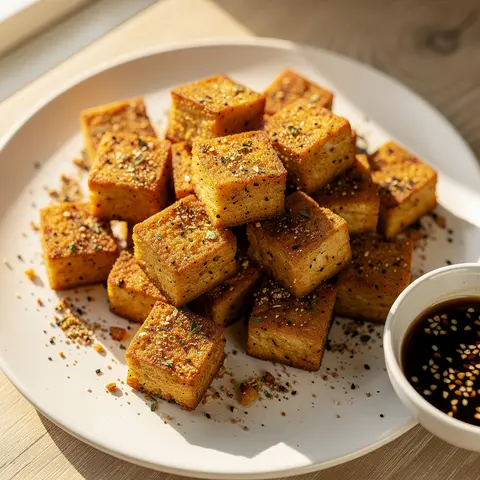
- Roasted or crispy mains. The Air Fryer Tofu is a good match for a plain tomato and onion salad. The crisp edges against the juicy tomatoes is a pairing I keep coming back to.
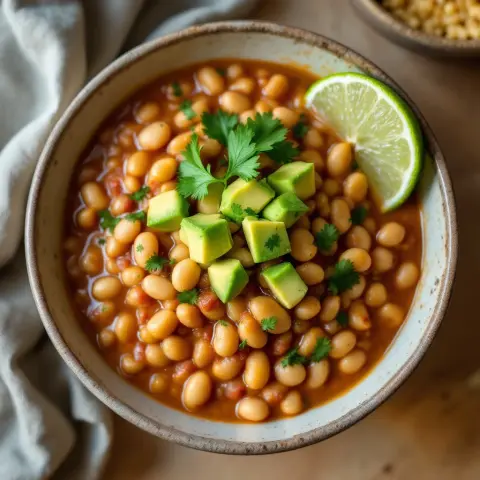
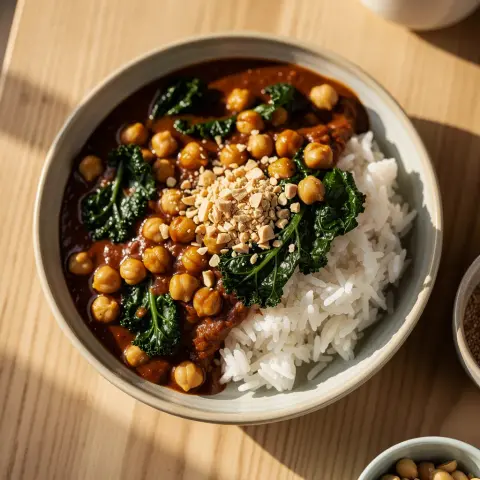
- Stews and chilis. A bowl of lettuce with sharp dressing next to 30-Minute White Bean Chili cuts through the richness. The African Tomato Peanut Stew with Chickpeas is another one where a simple, cold, acidic side makes the bowl feel complete.
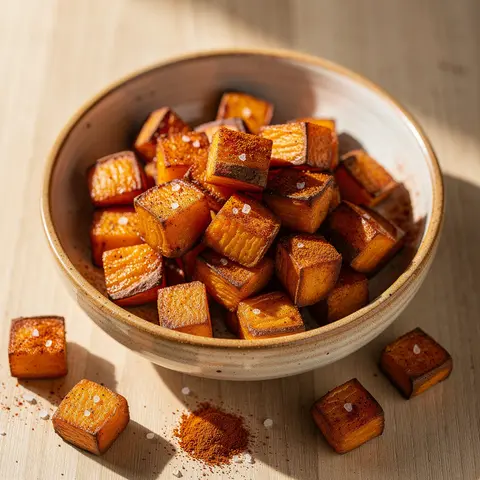
- Sweet and starchy sides. Air Fryer Sweet Potatoes with an ensalada mixta makes an easy, low-effort dinner on a busy night. The sweetness of the potato and the sharpness of the vinegar balance each other well.
If you want more of this kind of quick plate, the 30-Minute Vegan Dinners collection is where I'd look first, and Vegan Lunch Ideas has plenty of mains that go well with a simple salad on the side.
Why a simple side salad is worth the habit
There's a practical reason I like building meals this way. The Dietary Guidelines for Americans from the USDA and HHS encourage eating a variety of vegetables, including different colors and types. A tomato, onion and lettuce salad is an easy way to add more of them to a plate without adding another long cooking step. I'm not saying a side salad does anything special on its own, only that it's a low-effort way to get more vegetables on the table.
A few habits make it stick:
- Buy tomatoes and lettuce when you shop for the week. The shopping list Plantiful builds from the weekly menu is a handy place to tack them on.
- Keep olive oil, red wine vinegar and salt within reach of where you eat.
- Make the salad while the main finishes cooking. Five minutes is plenty.
- Don't worry about measuring. Taste and adjust.
Making it your own
The beauty of these salads is how little they ask of you. If you eat plant-based every day, they're a dependable side. If you're only cooking a few meatless dinners each week, they fit just as easily next to whatever you're making. Add avocado, beets, or a handful of olives when you want more. Skip the onion if it's not your thing. There's no wrong version.
Pick one main from the menu this week, put a tomato salad next to it, and see how it feels. Odds are you'll end up with a new default side.